How to Start Investing in 2026: Beginner's Guide
Short answer: Open a brokerage account, invest $100+/month in a low-cost S&P 500 ETF (like VOO), and stay consistent.
Written and reviewed by the SnapMoneyHub Editorial Team · Editorial standards · Educational information, not personalized financial advice.

⚡ TL;DR - Quick Summary
- ✓Understand different investment types: stocks, bonds, mutual funds, and ETFs
- ✓Start small with regular contributions to benefit from compound growth
- ✓Diversify across sectors, asset types, and geographies to manage risk
- ✓Automate investments to maintain discipline and consistency
- ✓Stay patient through market fluctuations and focus on long-term goals
Short answer: To start investing in 2026, open a brokerage account (Fidelity, Schwab, or Vanguard — all $0 minimum), set up automatic monthly transfers of $100+, and buy a low-cost S&P 500 index ETF like VOO (0.03% fee) or VTI. Max out a Roth IRA first ($7,500/year limit in 2026) for tax-free growth. Historically, the S&P 500 has returned about 10% per year — turning $200/month into roughly $244,000 over 30 years.
2026 Contribution Limits (IRS)
| Account | 2026 Limit | Catch-up (50+) |
|---|---|---|
| 401(k) / 403(b) | $24,500 | +$8,000 (+$11,250 ages 60-63) |
| Roth IRA / Traditional IRA | $7,500 | +$1,100 |
| HSA (family) | $8,750 | +$1,000 (55+) |
| SEP-IRA / Solo 401(k) | $70,000 | +$8,000 (Solo 401(k), 50+) |
Source: IRS 2026 inflation adjustments.
Understanding the Different Types of Investments
Before putting your money to work, it's important to know the types of investments available. Stocks offer ownership in companies and the potential for high returns, but they come with higher risk. Bonds are generally safer and provide fixed interest payments, making them suitable for conservative investors. Then there are mutual funds and ETFs, which let you diversify without picking individual assets. By understanding the differences, you can build a portfolio that balances growth and safety.
Each investment type serves a different purpose in your portfolio. Growth-oriented investors might favor stocks, while those nearing retirement often shift toward bonds for stability. ETFs have become increasingly popular because they combine the diversification of mutual funds with the trading flexibility of stocks, often at lower costs.
Start Small, Think Long-Term
Many new investors feel they need a large sum to start, but even modest contributions can grow significantly over time thanks to compounding. Regularly investing a set amount each month builds a habit and smooths out market ups and downs. The focus should be long-term growth, not quick wins. Patience is your ally — the market rewards consistency more than timing.
Consider this: investing just $200 per month at a 7% annual return grows to over $240,000 in 30 years. The earlier you start, the more time your money has to compound. Even if you can only afford $50 per month initially, that habit creates a foundation you can build upon as your income grows.
Diversification: Don't Put All Your Eggs in One Basket
One of the simplest ways to manage risk is diversification. By spreading your investments across different sectors, asset types, and geographies, you reduce the impact of any single setback. Even within stocks, consider a mix of large-cap, mid-cap, and international holdings. Diversification won't eliminate risk, but it makes your portfolio more resilient and less stressful to watch.
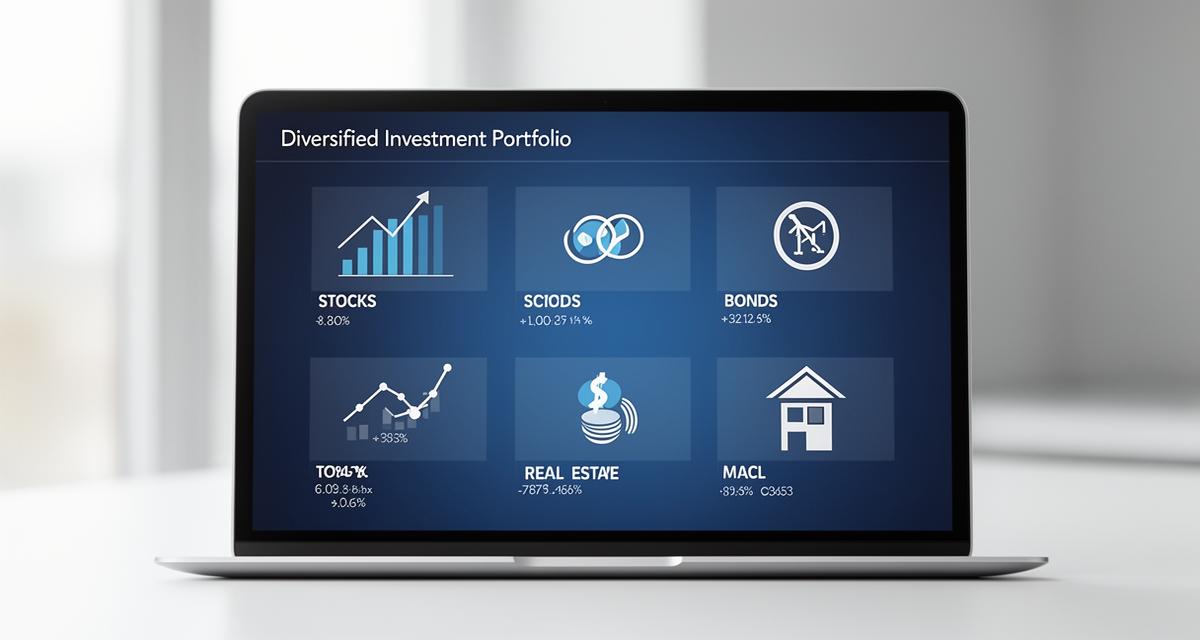
A well-diversified portfolio might include U.S. stocks, international stocks, bonds, and perhaps some real estate investment trusts (REITs). The exact allocation depends on your age, goals, and risk tolerance. Younger investors can typically afford more stock exposure, while those closer to retirement may prefer a more conservative mix.
Automate and Educate Yourself
Automation can make investing painless. Setting up automatic transfers into retirement accounts or brokerage accounts ensures you stay disciplined. Meanwhile, education is crucial: reading books, following reputable financial news, or using learning platforms helps you make informed decisions. The more you understand, the more confident you become, which reduces the likelihood of emotional reactions to market swings.
Many employers offer 401(k) plans with automatic payroll deductions, often with matching contributions — that's free money you shouldn't leave on the table. For individual accounts, most brokerages allow you to set up recurring investments that happen automatically each month. This "set it and forget it" approach removes the temptation to skip contributions when markets look uncertain.
Staying Patient Through Market Fluctuations
The market will rise and fall — that's inevitable. New investors often panic during downturns, selling at the worst possible times. Instead, remind yourself why you started, stick to your plan, and resist reacting to short-term noise. Historically, staying invested has rewarded patient investors more than attempting to time the market perfectly.
Market corrections of 10% or more happen roughly once per year on average. Bear markets (declines of 20% or more) occur less frequently but are a normal part of investing. Having a long-term perspective helps you view downturns as buying opportunities rather than reasons to panic. The investors who stay the course through volatility are typically the ones who build the most wealth over time.
Your Path to Building Wealth
Building wealth through investing doesn't require genius or luck. With a clear understanding of investment options, regular contributions, diversification, and patience, anyone can make steady progress toward financial goals. Start small, stay consistent, and watch your money grow safely over time.
Remember that investing is a marathon, not a sprint. The habits you build today — regular contributions, diversification, patience during volatility — will serve you well throughout your financial journey. The best time to start investing was yesterday; the second-best time is today.
Quick Compound Interest Check
Frequently Asked Questions
How much money do I need to start investing?
What is the difference between stocks and bonds?
What are ETFs and why are they popular?
How do I diversify my investment portfolio?
Should I try to time the market?
What is compound interest and why does it matter?
Try These Calculators
Put what you've learned into practice:
Related Articles
How Compound Interest Works
Deep dive into compound interest and its power for wealth building.
Read articleRetirement Planning Essentials
Plan for a comfortable retirement with these strategies.
Read articleUnderstanding Inflation
How inflation affects your money and what you can do about it.
Read articleBudgeting Made Simple
Create a budget that works for your lifestyle and financial goals.
Read articleFound this article helpful? Share it: