How Currency Exchange Rates Work: The Complete Guide
Currency exchange rates influence everything from vacation costs to global trade. Learn how they work, what drives them, and how to get the best rates.
Written and reviewed by the SnapMoneyHub Editorial Team · Editorial standards · Educational information, not personalized financial advice.
⚡ TL;DR - Quick Summary
- ✓Exchange rates are determined by interest rates, economic performance, politics, trade flows, and market sentiment
- ✓The rate you see online is not the rate you receive — expect markups from 2% to 15%
- ✓Travelers can save money by using ATMs, no-fee cards, and avoiding DCC
- ✓Businesses should consider hedging, brokers, and rate alerts
- ✓Understanding how exchange rates work helps you make smarter financial decisions
Currency exchange rates influence everything from the cost of your summer vacation to global trade between nations. Yet despite their importance, many people don't fully understand how exchange rates work — or how much money they can lose through hidden markups and fees.
This guide breaks down the mechanics of exchange rates in clear language, explains what drives them, and shows you how to get the best possible rate when you travel or send money internationally.
1. What Are Exchange Rates?
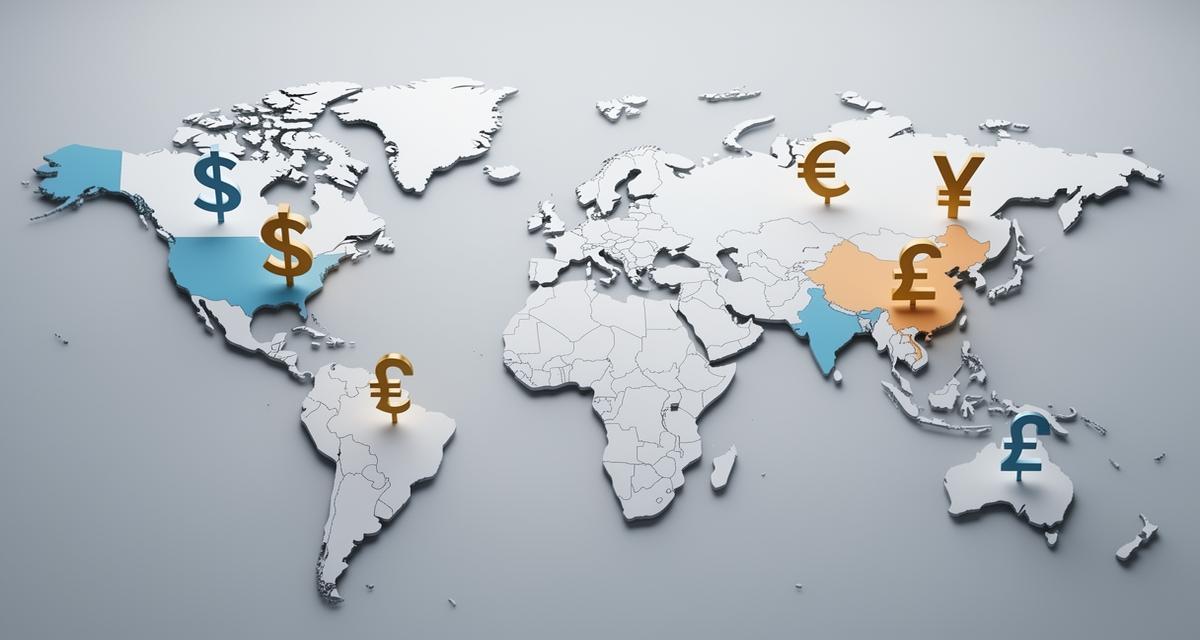
An exchange rate tells you how much one currency is worth in terms of another. If USD/EUR = 0.92, one US dollar buys 0.92 euros. Simple enough — but in reality, these numbers fluctuate constantly.
The foreign exchange (forex) market is the largest financial market in the world, trading more than $7.5 trillion every single day. It operates around the clock, with banks, hedge funds, corporations, and central banks making decisions that influence exchange rates by the second. Retail users — tourists, travelers, small currency exchanges — account for a tiny portion of activity.
Because the market is so large and liquid, exchange rates react instantly to news, data, and global events.
2. What Drives Exchange Rates?
Exchange rates are the result of many forces working together. Understanding these forces helps explain why currencies rise and fall.
Interest Rates: The Most Powerful Driver
When a central bank raises interest rates, investors around the world take notice. Higher interest rates usually mean better returns on deposits and government bonds. As a result, foreign investors shift money into that country, increasing demand for its currency and strengthening it.
This is why the US dollar strengthens when the Federal Reserve raises interest rates faster than other central banks.
Economic Performance and Data
Every major economic report has the potential to move currency markets. Some of the most influential indicators include GDP growth, employment figures, inflation rates, manufacturing data (PMI), and retail sales.
Strong economic performance increases confidence and attracts investment, pushing the currency upward.
Political Stability and Global Events
Political uncertainty almost always leads to currency volatility. Stable governments with predictable policy decisions tend to maintain stronger currencies, while turmoil can cause capital flight.
Brexit is a famous example: following the vote in 2016, the British pound dropped sharply and remained unstable for years.

Trade Balance and Current Account
A country that exports more than it imports creates constant demand for its currency. Foreign buyers need the exporting country's currency to pay for goods. Surpluses strengthen currencies, while long-term trade deficits typically weaken them.
Market Sentiment and Speculation
Finally, a large part of currency movement is simply market psychology. Traders make decisions not just on facts, but on expectations. If they believe a currency will rise because of an upcoming event, they buy it now — often creating a self-fulfilling prophecy. This can cause short-term volatility even when economic conditions are stable.
3. Different Types of Exchange Rate Systems
Currencies around the world operate under different systems that determine how their value is set.
Floating Exchange Rates
Most major currencies — USD, EUR, GBP, AUD, CAD, JPY — are allowed to float freely. The market decides their value based on supply and demand. Floating exchange rates respond quickly to news and economic data, which can make them volatile, but also more flexible.
Fixed or Pegged Exchange Rates
Some countries choose to peg their currency to a stronger, more stable currency such as the US dollar or the euro. To maintain the peg, the country's central bank must buy or sell currency reserves as needed.
Pegged currencies provide stability but are hard to maintain during economic stress. Examples include the Hong Kong dollar (pegged to USD) and several Gulf state currencies.
Managed Float
This is a middle ground where the exchange rate moves with the market, but the central bank occasionally intervenes to prevent sharp movements. China has historically used this method.
4. Why You Rarely Get the "Real" Exchange Rate
When you search for a rate online, you are seeing the mid-market rate — the midpoint between what big banks are willing to buy and sell for. This is not the rate offered to consumers.
The difference between the buy and sell price is called the bid–ask spread, and it's how banks and exchange services make money.
Understanding the Markups
Different providers charge wildly different markups:
- Traditional banks: 2–5% markup on every transaction
- Airport exchanges: 5–15% markup (the worst option)
- Hotels: 7–20% markup (even worse than airports)
- Online services like Wise: 0.3–1% markup (the best option)
In addition to spreads, consumers often face commission fees, ATM withdrawal fees, foreign transaction fees, and delivery fees for cash.
The Biggest Trap: Dynamic Currency Conversion (DCC)
DCC is when a merchant or ATM asks if you want to pay in your home currency instead of the local one. Choosing this option leads to a terrible exchange rate with an extra 3–7% markup.
Always choose the local currency.
5. How to Get the Best Exchange Rates
You can't control global currency markets — but you can avoid losing money unnecessarily.
For Travelers
The smartest strategy for travelers is to use ATMs abroad instead of currency exchange booths. Choose a credit card with no foreign transaction fees, and avoid exchanging currency at airports at all costs.
Always decline Dynamic Currency Conversion (DCC) when paying abroad. Use services like Wise or Revolut for fair rates, and withdraw larger sums at once to reduce the impact of fixed ATM fees.
For Businesses and Large Transfers
Businesses should use forward contracts to lock in rates for future transactions. For transfers over $10,000, currency brokers offer much better rates than traditional banks.
Time your transfers strategically — avoid end-of-month periods when corporate flows can distort rates. Set rate alerts so you're notified when rates hit your target, and consider hedging tools if your exposure is large.
6. Common Myths About Exchange Rates
Myth 1: Exchange Rates Move Randomly
Short-term movements can be chaotic, but long-term trends follow economic fundamentals. Interest rate differentials, inflation, and productivity growth are reliable long-term drivers.
Myth 2: A Strong Currency Is Always Good
Strong currencies benefit consumers (imports are cheaper) but hurt exporters (products become less competitive internationally). Most economists prefer stable, appropriately valued currencies over simply "strong" ones.
Myth 3: You Can Time the Market for Better Rates
Forex markets react immediately to new information. Trying to time exchanges for small personal transactions usually isn't worth the effort — rate movements from waiting often cancel out any potential gain.
Myth 4: Banks Give You the Rate You See Online
Banks always add a markup — even when they claim "no fee." That "no fee" exchange at your bank still costs you 3-5% in hidden markup.
7. The Future of Currency Exchange
The world of currency exchange is evolving rapidly, with several major trends reshaping the landscape.
Central Bank Digital Currencies (CBDCs)
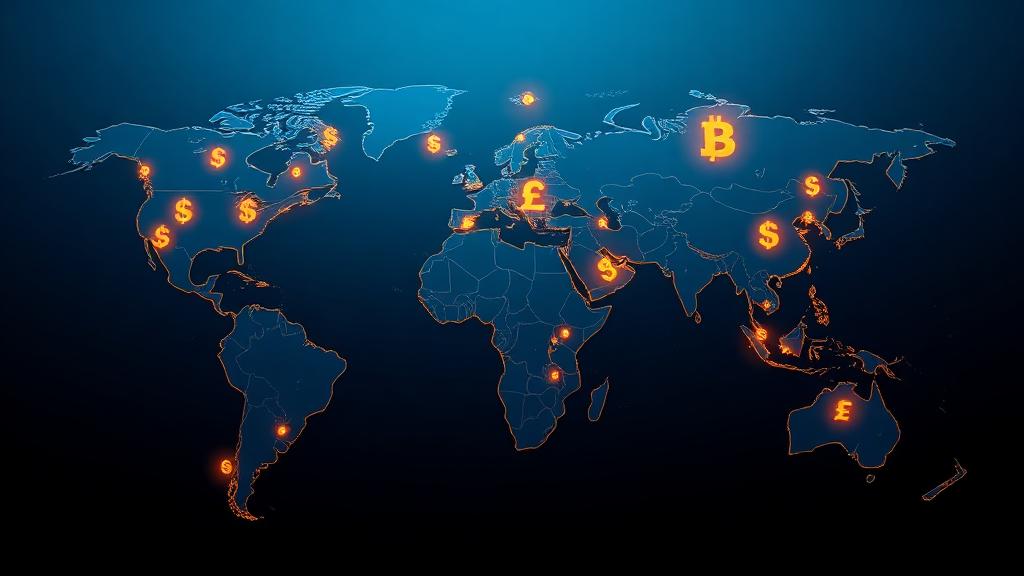
Over 100 countries are exploring digital versions of their national currency. These could eventually enable instant, near-zero-cost cross-border payments, disrupting traditional forex markets.
Blockchain and Decentralized Finance
Crypto-based systems allow peer-to-peer exchanges with minimal fees, though regulatory uncertainty and volatility remain significant concerns.
Real-Time Cross-Border Payments
New global payment networks aim to bypass slow, expensive traditional correspondent banking systems, making international transfers faster and cheaper.
AI and Algorithmic Trading
Most forex trades today are executed by automated systems using machine learning, increasing market efficiency — but also increasing the risk of sudden "flash crashes" and unexpected correlations.
Key Takeaways
Understanding exchange rates empowers you to make better financial decisions:
- Rates are driven by fundamentals: Interest rates, economic performance, politics, trade flows, and market sentiment all play a role.
- You never get the "real" rate: Expect markups from 2% to 15% depending on your provider.
- Travelers can save hundreds: Use ATMs abroad, get no-fee cards, and always decline DCC.
- Businesses need strategy: Consider hedging, brokers, and rate alerts for large transfers.
- Knowledge is power: Understanding these dynamics helps you avoid hidden costs and maximize value.
Whether you're planning international travel, managing business transactions, or simply curious about global finance, understanding exchange rates empowers you to make better decisions and avoid unnecessary fees. The difference between using the right strategy and the wrong one can easily be hundreds or even thousands of dollars per year.
Frequently Asked Questions
What determines exchange rates?
Why do exchange rates change constantly?
How can I get the best exchange rate?
What is the mid-market rate?
Should I exchange currency before traveling?
Try These Calculators
Put what you've learned into practice:
Related Articles
Understanding Inflation
How inflation affects your money and what you can do about it.
Read articleComplete Guide to Financial Calculators
Learn how to use financial calculators to make better money decisions.
Read articlePlanning Big Purchases
How to save for and finance major purchases wisely.
Read articleFound this article helpful? Share it: