How Much Car or House Can You Afford in 2026?
Exactly how much you can afford on a car or house in 2026: the 20/4/10 and 28/36 rules explained with real numbers, today's mortgage rates.
Written and reviewed by the SnapMoneyHub Editorial Team · Editorial standards · Educational information, not personalized financial advice.
⚡ TL;DR - Quick Summary
- ✓Start with a clear budget based on income, expenses, and existing debt
- ✓Balance savings and loans to reduce monthly payments and interest
- ✓Use calculators to determine exact monthly payment obligations
- ✓Consider timing purchases for sales, incentives, or better financing
- ✓Maintain emergency reserves even when making large purchases
Quick answer: You can afford the car if you put 20% down, finance for no more than 4 years, and total transportation costs stay under 10% of monthly gross income. You can afford the house if monthly housing costs stay under 28% of gross income and total debt stays under 36%. Everything else is rationalization.
With 2026 mortgage rates near 6.5% and average new-car loans at 7.2% APR, these rules matter more than ever. Here's exactly what the numbers look like at common income levels.
2026 Affordability Cheat Sheet
| Gross Annual Income | Max House Price (28% rule) | Max Car Payment (10% rule) |
|---|---|---|
| $50,000 | ~$185,000 | $416/mo |
| $75,000 | ~$275,000 | $625/mo |
| $100,000 | ~$370,000 | $833/mo |
| $150,000 | ~$555,000 | $1,250/mo |
| $200,000 | ~$740,000 | $1,666/mo |
Assumes 20% down, 6.5% mortgage rate, 30-year fixed; car number includes insurance + fuel + payment.
Start with a Clear Budget
Before considering a purchase, take a hard look at your finances. Calculate your monthly income, essential expenses, and any existing debt. Knowing how much you can comfortably allocate to a new purchase will help determine whether you should save first, finance the purchase, or a combination of both. Run the numbers through our affordability calculator before you set foot in a dealership or open house.
For example, a $35,000 car might look affordable on paper, but if financing it stretches your monthly payments past 10% of your take-home pay, it may be smarter to wait and save for a larger down payment — or look at a 2–3-year-old used model where depreciation has already happened.
Balance Savings and Loans
For major purchases like homes or cars, striking a balance between your own savings and borrowed money is key. Using some savings as a down payment reduces the loan amount, which in turn lowers monthly payments and interest costs.
If you are buying a house, aim for at least 20% down to avoid private mortgage insurance. For cars or appliances, even a modest upfront payment can make a significant difference in affordability and total interest paid.

Calculate Payments Carefully
Knowing exactly what your monthly obligations will be is essential. Use financial calculators to determine loan repayment schedules based on interest rates and loan terms. This helps avoid surprises and ensures your payments fit comfortably within your budget.
Remember to include additional costs like taxes, insurance, maintenance, or extended warranties. A car loan is not just the principal and interest—insurance can sometimes double the monthly cost.
Consider Timing and Priority
Not every purchase needs to happen immediately. Evaluate whether the item is urgent or if it can be delayed while you save more money. Timing your purchase can also help take advantage of sales, tax incentives, or low-interest periods.
For example, major appliances often go on sale around holidays, while car dealerships may offer better financing at the end of the quarter. Planning strategically can save hundreds or even thousands.
Practical Tips for Big Purchases
Compare financing options: Do not just settle for the first loan offer. Shop around for the best interest rates and terms.
Factor in opportunity cost: Using savings for a purchase might mean missing potential investment growth. Consider the trade-offs.
Keep an emergency buffer: Even with careful planning, unexpected expenses arise. Maintain some cash reserves to prevent stress.
Think long-term: Big purchases can affect your credit and future borrowing ability. Ensure you are comfortable with the impact over the next several years.
Using Tools to Simplify Planning
Financial calculators make planning less intimidating. By inputting loan amounts, interest rates, and desired terms, you can instantly see monthly payments and total costs. For savings goals, calculators show how much to set aside each month to reach your target before making the purchase.
Using these tools provides a realistic picture and helps make decisions based on numbers rather than guesswork or impulse.
Making Smart Purchase Decisions
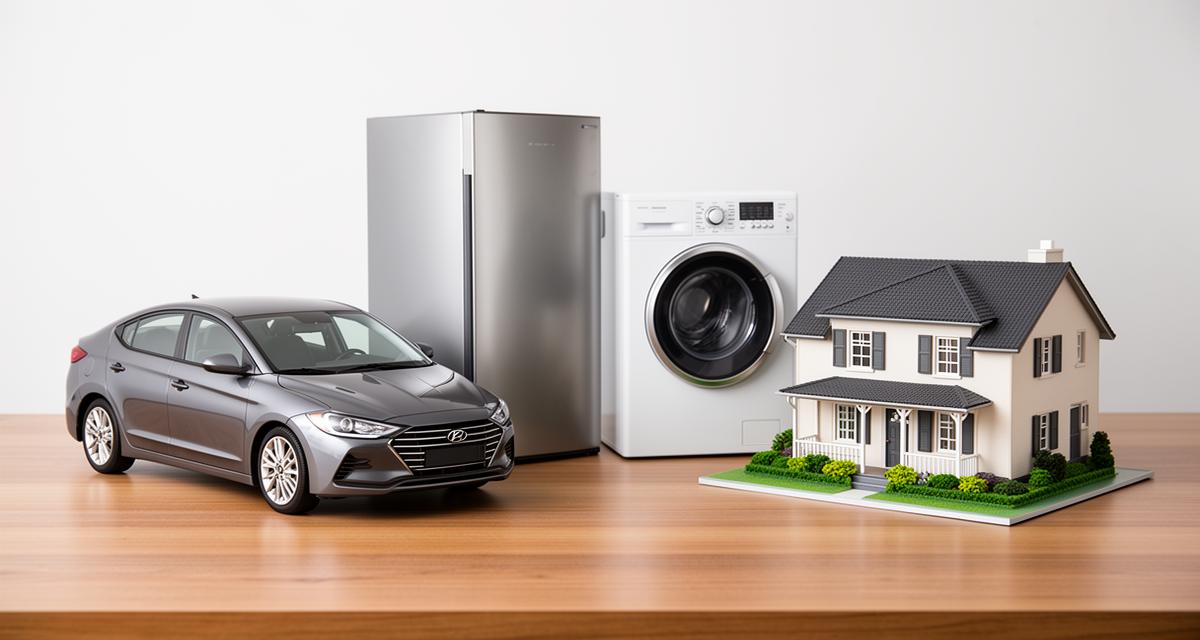
Big purchases do not have to be financially overwhelming. Start with a clear budget, balance loans and personal savings, calculate monthly payments carefully, and consider timing and long-term impact. By planning strategically, you can enjoy your new car, home, or appliance with confidence, knowing you have made a smart financial choice.
Frequently Asked Questions
How much down payment should I make on a car?
Should I save up or finance a major purchase?
How do I know if I can afford a big purchase?
When is the best time to buy a car?
What costs are often overlooked in big purchases?
How do I compare different loan offers?
Try These Calculators
Put what you've learned into practice:
Related Articles
Budgeting Made Simple
Create a budget that works for your lifestyle and financial goals.
Read articleHow to Compare Loan Options
Learn to compare different loan types to find the best deal.
Read articleUnderstanding and Improving Your Credit Score
Learn what affects your credit score and how to improve it.
Read articleBuilding Your Emergency Fund
Learn how to build and maintain an emergency fund for financial security.
Read articleFound this article helpful? Share it: