Loan Interest Rates and APR: The Complete Guide
How loan interest rates and APR work: what lenders look at, how rates are calculated, and practical ways to qualify for a lower rate.
Written and reviewed by the SnapMoneyHub Editorial Team · Editorial standards · Educational information, not personalized financial advice.
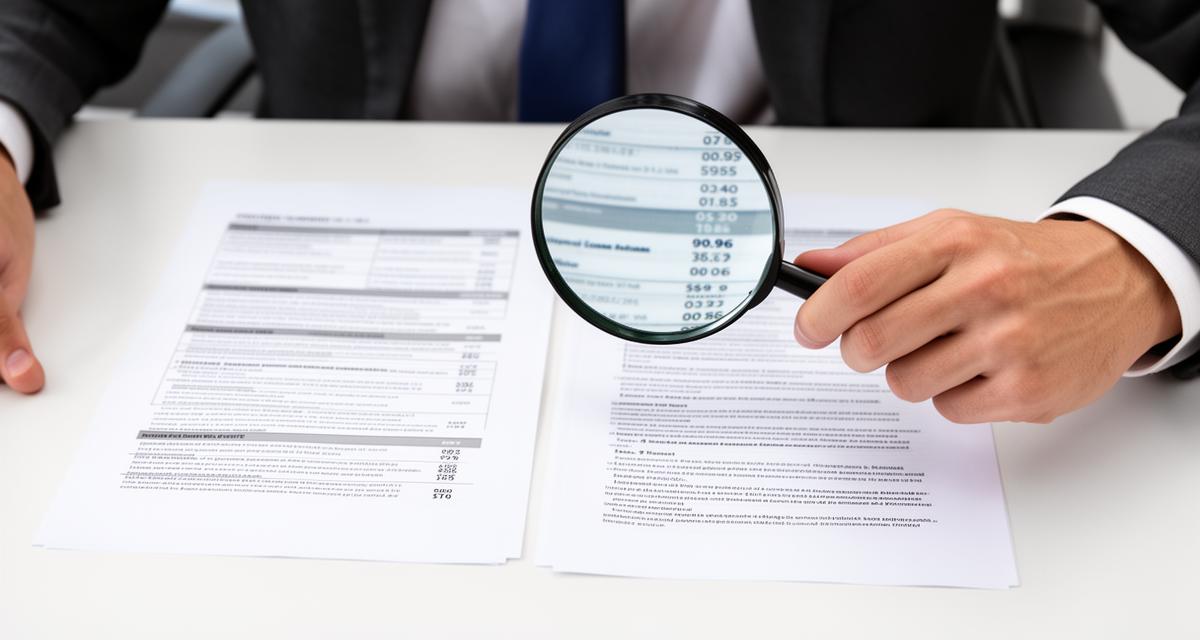
⚡ TL;DR - Quick Summary
- ✓APR includes rate + all fees - always compare APR, not just interest rates
- ✓Credit score is biggest rate factor: 760+ gets best rates, below 660 pays significantly more
- ✓Fixed rates = stability, Variable = lower start but can increase - choose based on timeline
- ✓1% rate difference on $350K mortgage = $83,000+ over 30 years
- ✓Shop 3+ lenders, negotiate, consider discount points, and apply when finances look strongest
Borrowing money is a normal part of modern life — whether you're financing a home, buying a car, consolidating debt, or covering an unexpected expense. But the cost of borrowing can vary enormously depending on your loan terms, your credit profile, and the lender you choose.
Even a single percentage point difference in your interest rate can mean paying tens of thousands of dollars more over the life of a mortgage. This is why understanding interest rates and APR isn't just helpful — it's essential.
1. What Interest Rates Really Represent
Whenever you take out a loan, you're doing more than borrowing — you're paying a fee for the privilege. The interest rate represents the cost of using someone else's money. For borrowers, it's the price of time; for lenders, it's the price of risk.
Interest rates vary widely across different types of loans:
- Mortgages: typically 6–8%
- Auto loans: around 5–12%
- Personal loans: 6–36% depending on credit
- Credit cards: 18–25% or higher
These differences aren't random. Mortgages are secured against homes, which reduces risk for lenders; personal loans and credit cards are unsecured, so lenders charge more to compensate.
Understanding your rate means understanding what you will pay over time. A small change in percentage points can change the total amount paid by tens of thousands of dollars.
2. Interest Rate vs. APR: The Most Important Distinction
If you only learn one thing about borrowing, learn this: The interest rate tells you the cost of borrowing. The APR tells you the true cost of the loan.
An interest rate is straightforward — a percentage applied to the loan amount.
But APR (Annual Percentage Rate) includes:
- Origination fees
- Underwriting fees
- Closing costs
- Discount points
- Mortgage insurance (when applicable)
- Application fees
Because APR bundles these into one number, it shows what you will actually pay each year — not just what the lender wants to advertise.
Why APR Can Save You From a Bad Deal
Imagine you're choosing between two $200,000 mortgages:
Lender A: 6.5% rate, $1,000 fees, APR: 6.57%
Lender B: 6.25% rate, $6,000 fees, APR: 6.65%
Lender B looks cheaper at first — the rate is lower. But the APR exposes the truth: their thousands in fees make it the more expensive loan.
The rule of thumb is simple: If APR is higher than your rate, you're paying fees. The bigger the gap, the bigger the cost.
3. Fixed vs. Variable Rates: Stability or Flexibility?
One of the biggest decisions borrowers face is whether to choose a fixed or variable rate. Both have advantages — and risks.
Fixed Rate Loans
A fixed interest rate stays the same for the entire loan term.
Why people choose fixed rates:
- Predictable monthly payments
- Insulation from market swings
- Peace of mind during volatile rate environments
It's the safest choice for long-term borrowers and anyone who values stability more than potential savings. The downside is that fixed rates are often slightly higher at the beginning. And if market rates fall, you only benefit by refinancing — which costs money.
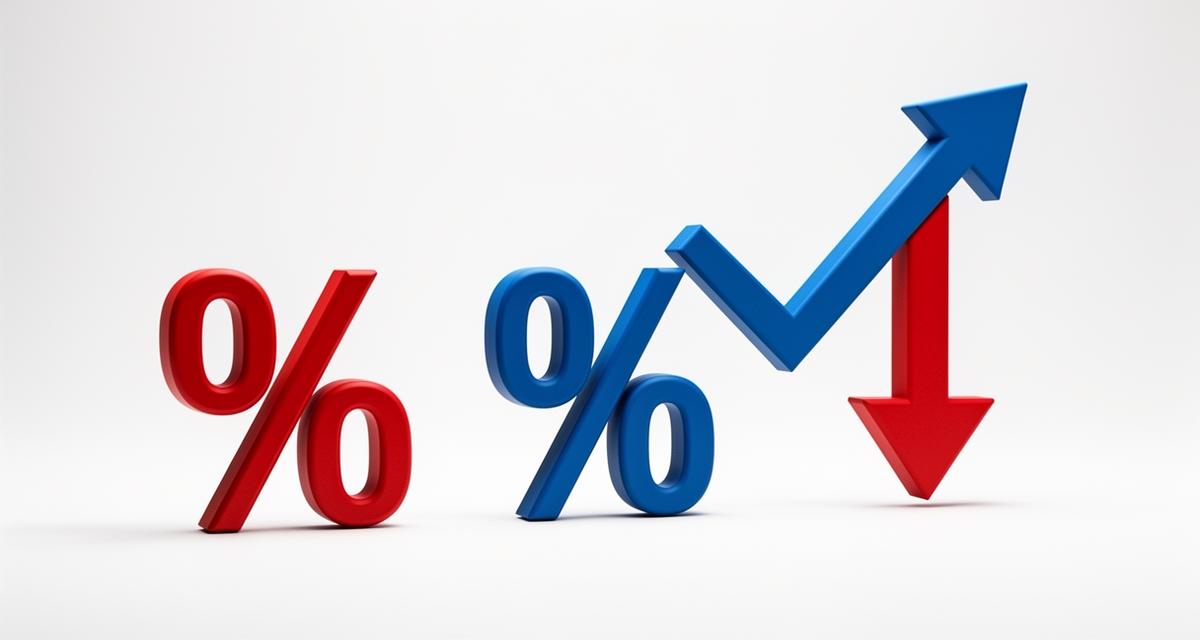
Variable (Adjustable) Rate Loans
Variable rates change based on a benchmark index such as SOFR or the Prime Rate. Many loans begin with a fixed period — for example, a 5/1 ARM stays fixed for five years before adjusting annually.
Why people choose variable rates:
- Lower initial rate compared to fixed
- The possibility of lower payments if rates fall
- Ideal for short-term borrowers who will sell or refinance soon
But the trade-off is risk. Payments can rise dramatically when the rate adjusts, and that uncertainty can be financially dangerous if your budget is tight.
4. What Really Determines Your Interest Rate?
Lenders consider a wide range of factors when deciding what rate to offer you. The seven most important are:
1. Credit Score
This is the most significant factor by far. Borrowers with excellent credit receive dramatically better terms than those with average or poor credit.
On a $300,000 mortgage, the difference between a 760+ credit score and a mid-600s score can be more than $50,000 in extra interest over the life of the loan.
Even improving your score by 20–40 points can shave meaningful dollars off your monthly payment.
2. Down Payment and Loan-to-Value Ratio (LTV)
Lenders calculate LTV by dividing the loan amount by the value of the asset. Lower LTV = lower risk = better rates.
Putting 20% down usually secures the best rates and avoids PMI (private mortgage insurance). Smaller down payments translate into higher rates and extra fees.
3. Debt-to-Income Ratio (DTI)
DTI measures how much of your monthly income goes toward debt. Borrowers with low DTIs get lower rates because lenders see that they can comfortably manage additional payments.
DTI below 36% is ideal; above 50% often results in denial.

4. Loan Term Length
Shorter loans usually carry lower rates because lenders get their money back faster and with less risk. A 15-year mortgage might have a rate 0.5–0.75% lower than a 30-year mortgage — saving you over $200,000 in interest on some homes.
5. Loan Type and Purpose
Different loans come with different risk profiles. Mortgages are secured by homes; auto loans are secured by depreciating assets; personal loans and credit cards are unsecured. This wide range of risk produces an equally wide range of rates.
6. Market Conditions and Federal Reserve Policy
When the Federal Reserve raises or lowers its benchmark rate, borrowing costs shift accordingly. Borrowers can't control this, but timing can matter, especially on large loans.
7. Relationship with the Lender
Banks often reward loyal customers with 0.25–0.5% rate discounts — sometimes more. Most borrowers never ask about these discounts, even though they can save thousands.
5. How Lenders Calculate Your Interest
Most consumer loans use amortization, meaning your monthly payment stays the same throughout the loan term, but the ratio of interest to principal changes each month.
In the early years, most of your payment goes toward interest. Over time, as the balance shrinks, more of your money reduces principal.
A 30-year mortgage at 6.5% on $200,000 will cost over $455,000 in total payments — more than double the original loan amount.
This is why making even small extra principal payments early in the loan saves enormous amounts of money.
6. How to Get the Best Possible Rate
Securing a low rate isn't just luck — it's strategy. Borrowers who prepare and shop wisely consistently save thousands more than those who accept the first offer.
Here are key steps:
- Improve your credit score before applying
- Compare quotes from multiple lenders
- Increase your down payment if possible
- Consider a shorter term
- Ask about discount points
- Avoid applying after major financial changes
- Negotiate fees
- Explore online lenders and credit unions
Borrowers who shop at least three lenders often save between $1,000 and $10,000 — and sometimes much more.

7. Common Red Flags and Costly Loan Traps
Some offers are intentionally designed to look cheaper than they are:
- Teaser rates that skyrocket later
- Massive gaps between interest rate and APR
- Prepayment penalties
- Negative amortization loans
- Balloon payments
Whenever an offer looks unusually attractive, examine the APR, the fee structure, and any adjustment rules closely.
8. The Real Cost of Interest: Eye-Opening Examples
Mortgage Example
$350,000 mortgage, 30-year fixed:
- 6% rate → $2,098/month → $405,274 interest
- 7% rate → $2,329/month → $488,452 interest
A single percentage point costs more than $83,000.
Auto Loan Example
$35,000 over 60 months:
- 5% → $4,597 interest
- 8% → $7,596 interest
The difference: nearly $3,000.
Personal Loan Example
$15,000 over 48 months:
- 8% → $2,568 interest
- 18% → $5,928 interest
The difference: $3,360 — more than the cost of many used cars.
Final Takeaways: What Smart Borrowers Always Remember
The borrower who understands interest rates and APR always gets the better deal. The lender assumes you'll look only at the interest rate — but now you know better.
- Always compare APR, not just rate
- Your credit score is the single biggest factor in pricing
- Fixed = stability; variable = risk + potential reward
- Larger down payments mean better terms
- Shopping lenders is essential — and saves real money
- Small rate differences add up to life-changing savings
- Never look only at monthly payments — understand total cost
A loan can either be a useful financial tool or an expensive long-term burden. With the right knowledge, preparation, and strategy, you can ensure you choose the former — and avoid the traps of the latter.
Frequently Asked Questions
What's the difference between interest rate and APR?
Should I choose a fixed or variable interest rate?
How is my loan interest rate determined?
Can I negotiate my loan interest rate?
How much does 1% in interest rate really cost me?
Try These Calculators
Put what you've learned into practice:
Related Articles
How to Compare Loan Options
Learn to compare different loan types to find the best deal.
Read articleComplete Guide to Refinancing
Learn when and how to refinance your loans to save money.
Read articleUnderstanding and Improving Your Credit Score
Learn what affects your credit score and how to improve it.
Read articleMortgage Planning Strategies
Plan your mortgage to save money and pay off your home faster.
Read articleFound this article helpful? Share it: